



The Power of Global Academic Networks: Why Cross-Border Research Collaboration Matters
Research has become increasingly interconnected in today's global academic environment. Many of the world's most significant challenges, including climate change, economic inequality, public health concerns, technological development, and social transformation, cannot be understood through the perspective of a single country or academic discipline.
Researchers need opportunities to exchange ideas, share knowledge, access diverse perspectives, and work together across geographical boundaries. This is where global academic networks and cross-border research collaboration play an important role.
Global academic networks connect researchers, professors, universities, research institutions, and academic associations from different parts of the world. These connections create opportunities for joint research projects, international publications, academic exchanges, conferences, and professional development.
For postgraduate students, doctoral candidates, early-career scholars, and experienced academics, participating in international research networks can significantly expand their academic opportunities.
In this article, we explore the importance of global academic networks, the benefits of cross-border research collaboration, common challenges, and practical strategies researchers can use to build meaningful international academic partnerships.
1. Understanding Global Academic Networks
Global academic networks are professional communities that connect individuals and institutions involved in education, research, and knowledge development across different countries.
These networks may include:
-
Universities and higher education institutions.
-
Academic researchers and professors.
-
International research organizations.
-
Scientific and academic associations.
-
Research laboratories and academic centers.
-
Postgraduate and doctoral research communities.
-
International conference organizers.
The primary purpose of these networks is to encourage knowledge exchange, academic communication, and collaborative research.
For example, an economist based in India may collaborate with researchers from Germany and Singapore to study international trade patterns. By combining different datasets, regional knowledge, and research methodologies, the team may develop a more comprehensive understanding of global economic trends.
Similarly, researchers in sociology, psychology, and political science can work together to examine social inequality, migration, cultural transformation, and public policy.
Global academic networks make these connections possible by creating platforms where researchers can communicate and identify common research interests.
2. Why Cross-Border Research Collaboration Matters
Cross-border research collaboration involves researchers from different countries working together to investigate shared research questions, exchange expertise, and develop new academic knowledge.
It has become increasingly important because many research problems extend beyond national boundaries.
Consider climate change. Understanding its effects requires environmental data, economic analysis, government policies, and social research from multiple regions.
Similarly, international economic development requires an understanding of different financial systems, cultural environments, trade relationships, and political structures.
Cross-border collaboration allows researchers to combine these perspectives.
Some important reasons why international research collaboration matters include:
Access to Diverse Perspectives
Researchers from different countries may approach the same research problem differently. Their experiences and viewpoints can improve the depth of academic discussions and help identify aspects that might otherwise be overlooked.
Shared Research Resources
International partnerships may provide access to datasets, research facilities, specialized equipment, and academic expertise that are not available within a single institution.
Sharing resources can help research teams undertake more comprehensive investigations.
Improved Research Quality
Collaboration encourages researchers to evaluate their assumptions, discuss methodologies, and receive feedback from specialists in different academic environments.
This exchange can strengthen research designs and improve the quality of academic findings.
Global Knowledge Exchange
Researchers can share findings, discuss emerging developments, and contribute to the international academic community.
The exchange of knowledge also helps scholars remain informed about new theories, research methods, and developments in their disciplines.
Solutions to Global Challenges
Collaborative research can help address issues that require international cooperation, including public health, sustainability, education, and economic development.
By combining regional knowledge and international expertise, researchers can develop a broader understanding of complex global problems.
3. Major Benefits of Joining International Academic Networks
Building international academic connections can provide significant benefits throughout a researcher's career.
A. Opportunities for Research Collaboration
One of the most important benefits of academic networking is the opportunity to develop joint research projects.
Researchers can connect with academics who have complementary expertise, allowing them to investigate complex topics from multiple perspectives.
For example, a researcher studying urban development may collaborate with experts in economics, sociology, environmental science, and public administration.
Such partnerships can lead to stronger research designs and more comprehensive findings.
B. Access to International Research Knowledge
Academic networks help researchers stay informed about developments in their fields.
Through international discussions, conferences, research publications, and academic seminars, scholars can learn about new theories, research methods, and emerging academic trends.
This exposure is especially valuable for postgraduate students and early-career researchers who are developing their research interests.
C. Joint Publications and Academic Recognition
International research partnerships can create opportunities for collaborative publications.
Researchers may jointly prepare:
-
Journal articles.
-
Conference papers.
-
Edited book chapters.
-
Research reports.
Working with scholars from different institutions can also increase the visibility of research and introduce findings to broader academic audiences.
However, every collaborative publication should follow clear authorship, contribution, and research integrity standards. All collaborators should agree on their responsibilities and acknowledge contributions appropriately.
D. Professional Development and Mentorship
International academic networks provide opportunities to learn from experienced researchers and established academics.
Early-career scholars may receive guidance on:
-
Developing research proposals.
-
Selecting suitable journals.
-
Improving academic writing.
-
Applying for research grants.
-
Presenting research at international conferences.
-
Exploring postdoctoral and fellowship opportunities.
Mentorship can help young researchers develop confidence and make more informed academic decisions.
E. International Academic Exposure
Participating in global academic networks introduces researchers to different educational systems, research cultures, and institutional environments.
This experience can improve communication skills, cultural understanding, and the ability to work effectively with international research teams.
Exposure to different academic environments can also encourage researchers to explore new approaches to their work.
4. The Role of Academic Conferences in Building Global Research Networks
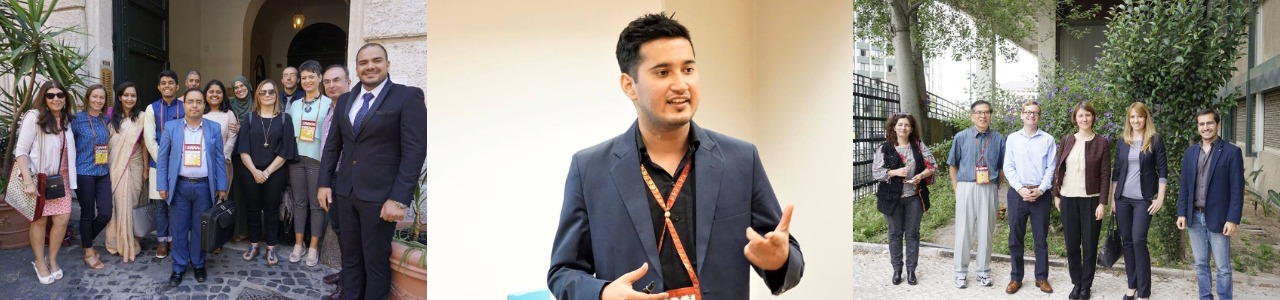
International academic conferences are among the most effective platforms for connecting researchers from different countries.
They bring together scholars, academics, postgraduate students, research professionals, and institutional representatives to discuss current developments in their fields.
Conferences provide several networking opportunities.
Presenting Research
Researchers can introduce their work to an international audience and receive feedback from experts.
Presentations allow scholars to communicate their findings, explain their methodologies, and discuss the significance of their research.
Participating in Discussions
Question-and-answer sessions encourage academic interaction and help researchers explore different viewpoints.
These discussions can introduce new perspectives and inspire further research questions.
Meeting Potential Collaborators
Conferences provide opportunities to identify researchers with similar interests or complementary expertise.
A conversation during a conference may become the starting point for a joint research project or future publication.
Attending Workshops
Specialized workshops help participants improve research skills and learn about emerging methodologies.
They also create opportunities for direct interaction with experienced academics.
Exploring Academic Partnerships
Researchers can discuss joint projects, publications, and future institutional collaborations.
For example, a social science researcher presenting a paper on economic inequality may connect with international scholars studying poverty, public policy, or labour markets.
These interactions may develop into long-term research partnerships.
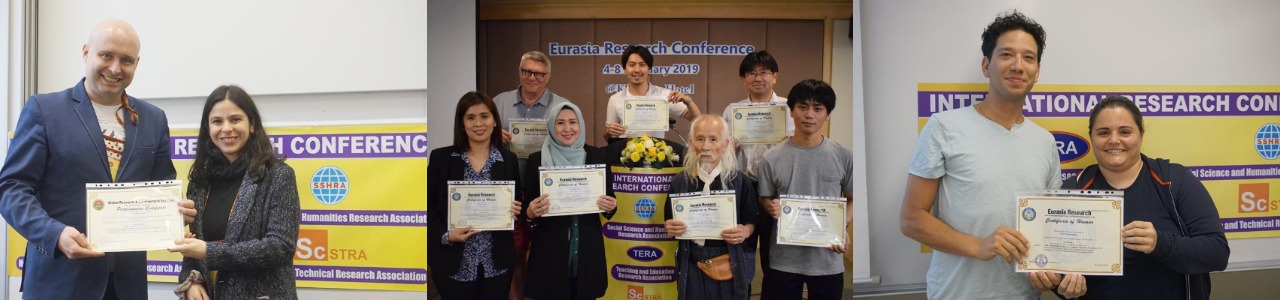
Academic associations such as the Social Science and Humanities Research Association (SSHRA) contribute to this academic environment by providing opportunities for scholars to participate in international conferences, share research, and connect with the wider academic community.
5. How Digital Platforms Are Transforming International Research Collaboration
Technology has significantly changed the way researchers communicate and collaborate.
In the past, international research partnerships often required extensive travel and face-to-face meetings. Today, digital platforms make it easier for researchers to work together regardless of geographical distance.
Some useful digital tools and platforms include:
Academic Research Platforms
Google Scholar: Helps researchers discover academic publications, explore citations, and follow research developments.
ResearchGate: Provides a professional networking environment for researchers to share publications and connect with other academics.
ORCID: Provides unique researcher identifiers that help distinguish academic contributions.
Academia.edu: Offers a platform for discovering and sharing academic research.
Digital Communication and Collaboration Tools
Zoom: Supports online research meetings, seminars, and academic discussions.
Microsoft Teams: Helps research teams communicate and coordinate collaborative activities.
Google Workspace: Supports shared documents, spreadsheets, and collaborative writing.
Overleaf: Provides collaborative academic writing and LaTeX document preparation.
These platforms allow researchers to share documents, organize meetings, exchange feedback, and coordinate research activities.
Digital collaboration also reduces geographical barriers and makes international academic participation more accessible.
6. Challenges in Cross-Border Research Collaboration
Although international research partnerships offer many benefits, they also involve certain challenges.
Understanding these difficulties helps researchers prepare for more effective collaboration.
A. Language and Communication Barriers
Researchers may speak different native languages or have different academic communication styles.
Misunderstandings can occur during research discussions, manuscript preparation, and project coordination.
Solution: Establish clear communication practices, use simple academic language, and agree on a common working language.
B. Cultural and Academic Differences
Research practices, institutional expectations, and academic traditions may vary between countries.
Different approaches to research design, supervision, authorship, and project management can create confusion.
Solution: Discuss expectations at the beginning of the partnership and respect the academic practices of participating institutions.
C. Time Zone Differences
International research teams often operate across multiple time zones, making meetings and deadlines difficult to coordinate.
Solution: Use shared calendars, flexible meeting schedules, and project management tools to maintain effective communication.
D. Funding and Resource Limitations
International research projects may require funding for travel, data collection, research materials, and institutional collaboration.
Not every researcher has access to sufficient financial resources.
Solution: Explore international research grants, university funding programs, institutional partnerships, and academic travel support.
E. Research Ethics and Data Protection
Different countries may have different legal requirements and institutional policies concerning research ethics, privacy, and data management.
Solution: Establish clear ethical procedures, obtain necessary approvals, and agree on data ownership, access, storage, and sharing before beginning collaborative research.
7. How Young Researchers Can Build Global Academic Networks
For early-career researchers, establishing international academic connections may initially seem challenging. However, consistent participation in academic activities can help build valuable professional relationships.
Here are some practical strategies.
1. Participate in International Conferences
Attend academic conferences related to your research interests. Presenting a paper can help introduce your work to researchers from different countries.
Participate in discussions, ask relevant questions, and make an effort to connect with academics whose research interests align with yours.
2. Join Academic Associations
Become part of recognized academic associations and research communities. These organizations often provide access to conferences, seminars, workshops, and networking opportunities.
Academic associations can also help researchers remain informed about developments in their disciplines.
3. Create a Professional Research Profile
Maintain updated profiles on platforms such as ORCID and Google Scholar.
Include your research interests, publications, institutional affiliation, and academic achievements where applicable.
A clear professional profile makes it easier for other researchers to understand your academic background.
4. Connect with Researchers Online
Follow academics working in your field and participate in meaningful research discussions.
Avoid sending generic messages asking for collaboration without first understanding their work.
Instead, introduce yourself professionally and explain the shared research interest that makes a connection relevant.
5. Attend Online Seminars and Workshops
Virtual academic events provide opportunities to meet international scholars without travel expenses.
Participating in online discussions and workshops can help researchers develop professional relationships and learn about new research developments.
6. Explore Joint Research Opportunities
Identify researchers whose expertise complements your own.
Start with discussions about shared research interests before proposing a formal collaboration.
A clear research objective and mutual academic interest can provide a strong foundation for future partnerships.
7. Maintain Professional Relationships
Follow up after meetings and conferences, share relevant research updates, and stay in touch with academic contacts.
Building a strong research network takes time. Consistent communication and genuine academic engagement are more valuable than simply collecting professional contacts.
8. The Importance of Interdisciplinary Research Collaboration
Many modern research questions require knowledge from multiple academic disciplines.
Interdisciplinary research combines theories, methodologies, and expertise from different fields to investigate complex problems.
For example, studying the impact of artificial intelligence on employment may require contributions from:
-
Economics: To examine labour market changes.
-
Sociology: To understand social inequality.
-
Psychology: To explore human behaviour.
-
Computer Science: To understand technological developments.
-
Public Policy: To evaluate regulatory approaches.
Similarly, research into sustainable urban development may combine environmental science, economics, architecture, geography, and public administration.
International academic networks make interdisciplinary collaboration easier by connecting researchers who may otherwise work in separate academic environments.
Such partnerships can produce more comprehensive findings and encourage innovative approaches to research problems.
It is important to recognize that interdisciplinary collaboration and international collaboration are different but complementary approaches. One connects different academic disciplines, while the other connects researchers across national boundaries.
A research project can involve both approaches simultaneously.
9. The Future of Global Academic Networks and Research Collaboration
The future of international academic collaboration is likely to become increasingly digital, interdisciplinary, and globally connected.
Emerging technologies, international research initiatives, and online academic platforms are creating new opportunities for researchers to work together.
Several developments are expected to influence global academic networks.
Artificial Intelligence in Research
AI-powered tools can support literature discovery, data analysis, research organization, and collaboration workflows.
Researchers must still verify outputs and maintain academic integrity when using these technologies.
Virtual Research Communities
Online seminars, digital conferences, and collaborative platforms will continue to expand opportunities for international academic engagement.
These communities make it easier for scholars to exchange ideas without always needing to travel.
Open Science and Research Sharing
Greater emphasis on transparent research practices, open data, and accessible publications can strengthen knowledge exchange.
Responsible research sharing can also improve the accessibility and reproducibility of academic work.
International Research Partnerships
Universities and academic institutions are increasingly interested in partnerships that address shared global priorities.
Such partnerships can support joint research initiatives and encourage knowledge exchange between institutions.
Multidisciplinary Research
Collaboration across academic disciplines will remain important for understanding complex economic, environmental, technological, and social challenges.
These developments highlight the growing importance of international academic networks in shaping the future of research and higher education.
Conclusion
Global academic networks have become an essential part of modern research and higher education. They connect researchers, universities, academic associations, and institutions across geographical boundaries, creating opportunities for knowledge exchange, professional development, and collaborative research.
Cross-border research collaboration allows scholars to combine different perspectives, share resources, improve research quality, and address challenges that affect societies worldwide.
For young and early-career researchers, joining international academic communities can open doors to research partnerships, academic mentorship, joint publications, and international conference participation.
However, building meaningful academic relationships requires consistent effort, effective communication, mutual respect, and a shared commitment to research excellence.
Through international conferences, digital research platforms, and academic associations such as the Social Science and Humanities Research Association (SSHRA), researchers can expand their professional networks and become active contributors to the global academic community.
Ultimately, research becomes more impactful when knowledge is shared. By embracing international collaboration, scholars can move beyond geographical boundaries and contribute to a more connected and informed academic world.
Frequently Asked Questions (FAQs)
1. What are global academic networks?
Global academic networks are professional communities that connect researchers, professors, universities, academic associations, and research institutions across different countries to encourage knowledge exchange and research collaboration.
2. Why is cross-border research collaboration important?
Cross-border research collaboration allows scholars to combine expertise, share research resources, understand different perspectives, and investigate global challenges that cannot be addressed effectively by a single country or institution.
3. How can young researchers join international academic networks?
Young researchers can join academic associations, participate in international conferences, attend online seminars, create professional research profiles, and connect with scholars working in similar research areas.
4. What are the benefits of international research collaboration?
Major benefits include access to diverse expertise, joint publications, research funding opportunities, academic mentorship, professional development, and increased international research visibility.
5. Which platforms help researchers connect internationally?
Platforms such as ResearchGate, Google Scholar, ORCID, Academia.edu, and academic association websites help researchers discover publications, connect with scholars, and develop professional research networks.
6. What challenges do international research partnerships face?
Common challenges include language differences, cultural barriers, time zone differences, funding limitations, research ethics requirements, and differences in institutional policies.
7. How do academic conferences support research networking?
Academic conferences allow researchers to present their work, exchange ideas, participate in discussions, meet potential collaborators, and explore opportunities for joint research projects and publications.
8. What is the difference between interdisciplinary and international research collaboration?
Interdisciplinary collaboration involves researchers from different academic disciplines working together, while international collaboration involves researchers from different countries. A research project can involve both approaches simultaneously.
